

Neurodiversity Explained: Understanding, Supporting, and Embracing Different Minds
What Is Neurodiversity?
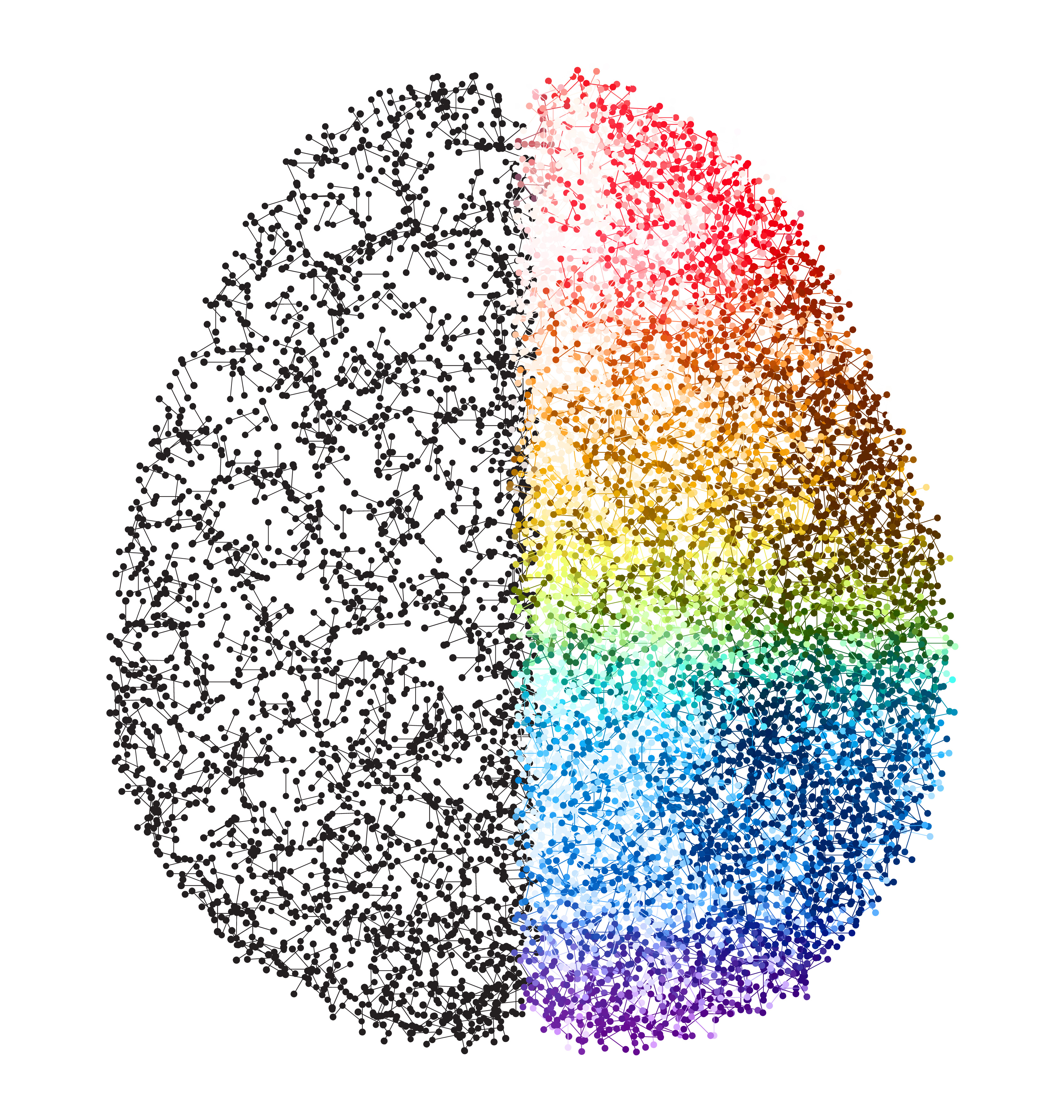
Neurodiversity is a concept that recognizes and respects the natural variation in how human brains function. Instead of viewing neurological differences as deficits or disorders that need to be “fixed,” neurodiversity frames these differences as part of normal human diversity, much like variations in culture, personality, or physical traits.
The term was popularized in the late 1990s and has since become central to conversations about conditions such as autism, ADHD, dyslexia, and other developmental differences. At its core, neurodiversity challenges traditional medical models that focus solely on diagnosis and treatment. Instead, it encourages society to shift toward acceptance, inclusion, and support.
Understanding neurodiversity is especially important for families, educators, and healthcare providers working with children and adults who experience the world differently. It opens the door to a more compassionate and effective approach to development, learning, and daily life.
Neurodivergent vs. Neurotypical: Key Differences
Within the neurodiversity framework, individuals are often described as either neurodivergent or neurotypical. Neurotypical individuals have brain functioning that aligns with what society considers “standard” or typical. Neurodivergent individuals, on the other hand, have cognitive patterns that differ from these norms.
These differences can show up in many ways, including communication style, sensory processing, attention, emotional regulation, and learning preferences. For example, a neurodivergent child may process sounds more intensely, communicate nonverbally, or focus deeply on specific interests.
It is important to understand that being neurodivergent is not inherently negative. While some individuals may face challenges that require support, many also possess unique strengths, such as exceptional memory, creativity, pattern recognition, or attention to detail.
The Neurodiversity Movement and Its Impact
The neurodiversity movement has grown significantly over the past two decades, driven largely by self-advocates who want to redefine how society views neurological differences. Rather than focusing solely on treatment or normalization, the movement emphasizes acceptance, accessibility, and respect.
This shift has influenced education systems, workplace practices, and healthcare approaches. Schools are increasingly adopting inclusive learning strategies that accommodate different learning styles. Employers are beginning to recognize the value of neurodivergent employees, especially in roles that benefit from analytical thinking or creative problem-solving.
For families, this movement offers a more hopeful and empowering perspective. Instead of seeing a diagnosis as a limitation, it can be understood as a different way of experiencing the world that comes with both challenges and strengths.
Neurodiversity and Autism Spectrum Disorder
Autism is one of the most well-known conditions within the neurodiversity framework. Individuals on the autism spectrum often experience differences in communication, social interaction, and sensory processing.
From a neurodiversity perspective, autism is not viewed as something that needs to be cured. Instead, the focus is on understanding the individual’s needs and providing appropriate support. This may include therapies, educational accommodations, and environmental adjustments that help the person thrive.
For example, a child with autism may benefit from structured routines, visual supports, and sensory-friendly environments. At the same time, their strengths, such as deep focus or unique problem-solving abilities, should be encouraged and developed.
ADHD and Neurodiversity: Rethinking Attention and Energy
Attention-deficit/hyperactivity disorder (ADHD) is another condition often discussed within neurodiversity. Individuals with ADHD may have differences in attention regulation, impulse control, and activity levels.
Traditional perspectives often frame ADHD as a deficit in focus or discipline. However, the neurodiversity approach recognizes that individuals with ADHD may excel in dynamic environments, creative thinking, and rapid problem-solving.
Understanding ADHD through this lens allows parents and educators to shift from trying to “control” behavior to supporting the individual’s natural tendencies. This might include flexible learning environments, movement-based activities, and strategies that align with how the individual’s brain works.
Sensory Processing and Neurodivergent Experiences
One of the most important aspects of neurodiversity is sensory processing. Many neurodivergent individuals experience the world more intensely or differently through their senses.
Sounds may feel overwhelming, lights may appear too bright, or certain textures may be uncomfortable. These sensory differences can significantly impact daily life, from school environments to social interactions.
Recognizing and accommodating sensory needs is a key part of supporting neurodivergent individuals. This might involve creating quiet spaces, using noise-canceling headphones, or adjusting lighting and textures in the environment.
When sensory needs are respected, individuals are often better able to focus, communicate, and engage with others.
The Strengths of Neurodivergent Individuals
A core principle of neurodiversity is the recognition of strengths. While challenges may exist, many neurodivergent individuals possess abilities that can be incredibly valuable.
Some individuals demonstrate exceptional attention to detail, making them highly effective in tasks that require precision. Others may have strong visual thinking skills, creativity, or the ability to think outside conventional frameworks.
In children, these strengths may appear as intense interests in specific topics, advanced skills in certain areas, or unique ways of solving problems. Encouraging these strengths can build confidence and create opportunities for growth.
By focusing on strengths rather than deficits, families and professionals can help individuals develop a positive sense of identity and self-worth.
Supporting Neurodiversity in Early Childhood Development
Early childhood is a critical time for recognizing and supporting neurodiversity. Developmental differences may become noticeable during this stage, particularly in communication, social interaction, and behavior.
Early intervention services can play an important role in helping children build essential skills while respecting their individuality. Therapies such as speech therapy, occupational therapy, and applied behavior analysis can be tailored to support each child’s unique needs.
At the same time, it is important to approach early intervention with a neurodiversity-informed mindset. This means focusing on skill-building and support rather than trying to make the child conform to a narrow definition of normal.
Parents and caregivers should be empowered with knowledge, resources, and strategies that help them support their child in a way that feels respectful and effective.
Neurodiversity in Education: Creating Inclusive Learning Environments
Education systems are increasingly recognizing the importance of neurodiversity. Inclusive classrooms are designed to accommodate a wide range of learning styles, abilities, and needs.
This may involve differentiated instruction, flexible seating arrangements, and the use of visual supports or assistive technology. Teachers who understand neurodiversity are better equipped to create environments where all students can succeed.
For example, a student who struggles with traditional lectures may benefit from hands-on learning or visual materials. Another student may need additional time or alternative ways to demonstrate understanding.
When schools embrace neurodiversity, they create opportunities for every student to reach their potential, regardless of how they learn.
Parenting and Neurodiversity: Building Understanding at Home
Parents play a crucial role in supporting neurodivergent children. Understanding neurodiversity can help parents shift their perspective from frustration to empathy.
Instead of asking why a child is behaving a certain way, parents can explore what the child is experiencing and what support they might need. This approach fosters stronger relationships and more effective communication.
Consistency, patience, and flexibility are key. Creating predictable routines, offering clear expectations, and providing emotional support can help children feel safe and understood.
Parents should also seek out resources, support groups, and professional guidance when needed. Building a network of support can make a significant difference in both the child’s and the family’s experience.
Neurodiversity in the Workplace and Adulthood
Neurodiversity does not end in childhood. As neurodivergent individuals grow into adulthood, they bring their unique perspectives and abilities into the workplace and broader المجتمع.
Many organizations are beginning to recognize the value of neurodiverse teams. Employees who think differently can offer innovative solutions, identify patterns others may miss, and approach challenges in creative ways.
However, workplaces must also adapt to support neurodivergent employees. This may include flexible schedules, clear communication, and accommodations that address sensory or social needs.
When these supports are in place, neurodivergent individuals can thrive professionally and contribute meaningfully to their organizations.
Addressing Misconceptions About Neurodiversity
Despite growing awareness, misconceptions about neurodiversity still exist. Some people believe that recognizing neurodiversity means ignoring challenges or avoiding necessary support.
In reality, neurodiversity acknowledges both strengths and challenges. It does not eliminate the need for therapy, education, or medical care. Instead, it reframes these supports as tools for empowerment rather than correction.
Another common misconception is that neurodiversity applies only to certain conditions. In truth, it encompasses a wide range of neurological differences and emphasizes that all brains are unique.
Addressing these misconceptions is essential for building a more inclusive and understanding society.
The Future of Neurodiversity and Developmental Support
The future of neurodiversity lies in continued education, advocacy, and innovation. As awareness grows, more systems will adapt to meet the needs of neurodivergent individuals.
Advancements in technology, research, and therapy will continue to improve support options. At the same time, societal attitudes will play a crucial role in shaping how neurodiversity is understood and embraced.
Families, educators, and professionals have an opportunity to lead this change by promoting acceptance and creating environments where all individuals can thrive.
Why Neurodiversity Matters for Families and Communities
Neurodiversity is not just a concept; it is a framework that has real-world implications for families and communities. It encourages a shift from judgment to understanding and from limitation to possibility.
For families navigating autism or other developmental differences, this perspective can provide hope and clarity. It allows parents to focus on their child’s strengths while still addressing areas of need.
Communities that embrace neurodiversity become more inclusive, supportive, and innovative. They recognize that diversity in thinking and behavior is not something to be minimized but something to be valued.
By understanding and supporting neurodiversity, we create a world where every individual has the opportunity to succeed in their own unique way.
